
When you're looking for a dog park after rain, your weekend doesn't have to end with wet paws, mud in the car, and a dog that needs rinsing from head to toe. With a bit of planning, you can find a nature walk where the ground is more stable, and both you and your dog can have a good experience.
How to Choose a Dog Park After Rain When Paths Are Wet and Muddy
All dog parks react differently to rain. A park with sandy or gravelly ground often dries faster than a low-lying park with clay soil. Therefore, it's worth considering the terrain, drainage, and traffic before you leave home.
Start by checking if the dog park has several different paths. A larger park often allows you to avoid the worst mud holes, while a small, intensively used fenced area quickly becomes wet around the entrance. Paths with a firm layer of gravel, sand, or forest floor are usually easier to walk on than wide wheel tracks with deep ruts.
Choose a dog park that is slightly higher in the terrain. Hills and hilly areas often have better drainage than low areas where water collects. Also, look for parks with multiple entrances so you can choose the part of the area that looks driest.
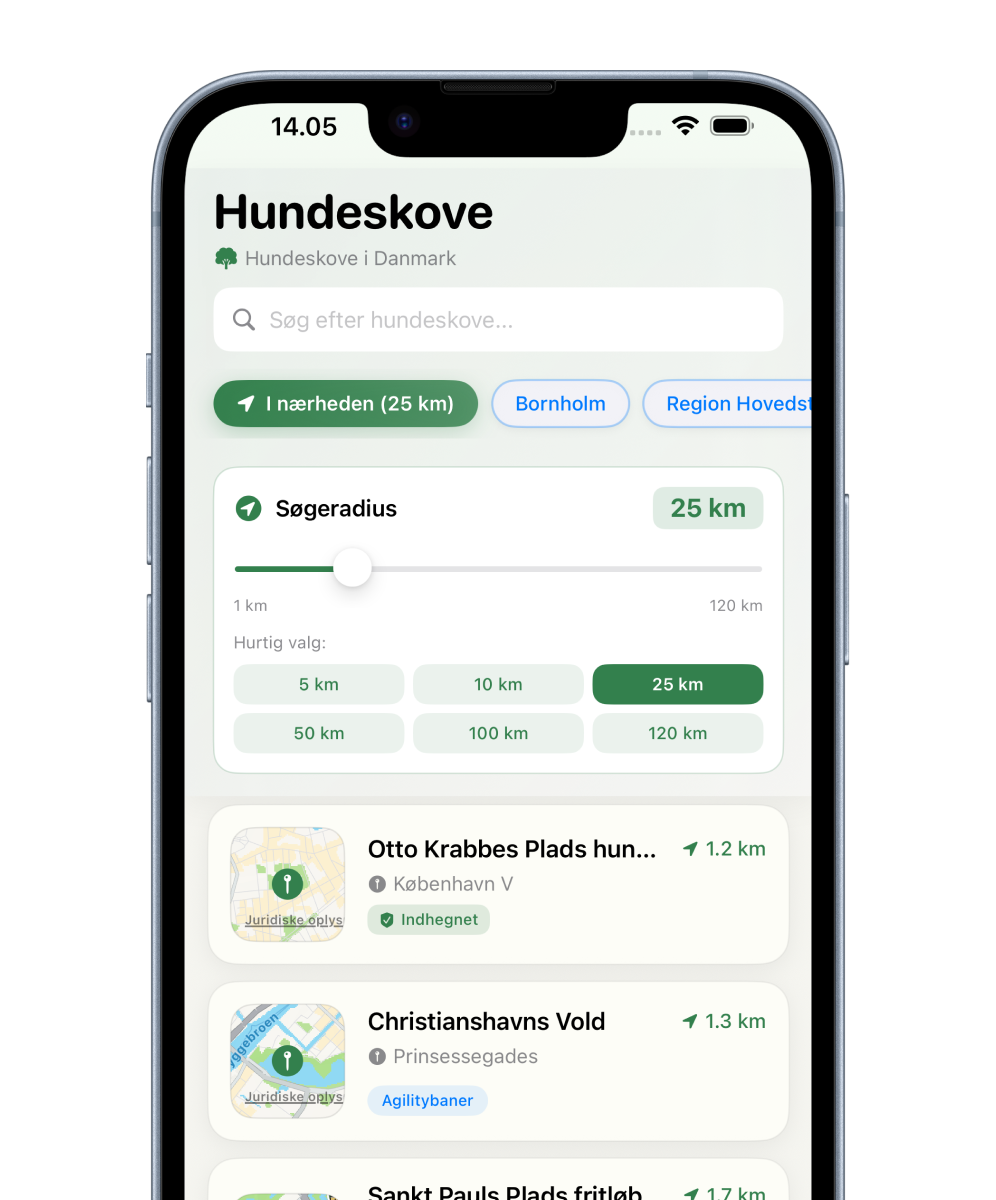
If you're unsure, you can use the Hundeskoven app to explore dog parks nearby and see practical information about the area. It's especially useful when you want to find a new park with parking, benches, or other facilities that make a wet walk easier to handle.
Also, remember to check if the area is fenced. A wet and slippery forest floor can make it harder to keep your balance if the dog suddenly takes off after a scent. You can read more about rules for dog parks to be prepared for local requirements regarding leads and consideration for other visitors.
Three Autumn Activities with Your Dog After a Rainy Week
1. Sniffing Walk on Dry Forest Paths
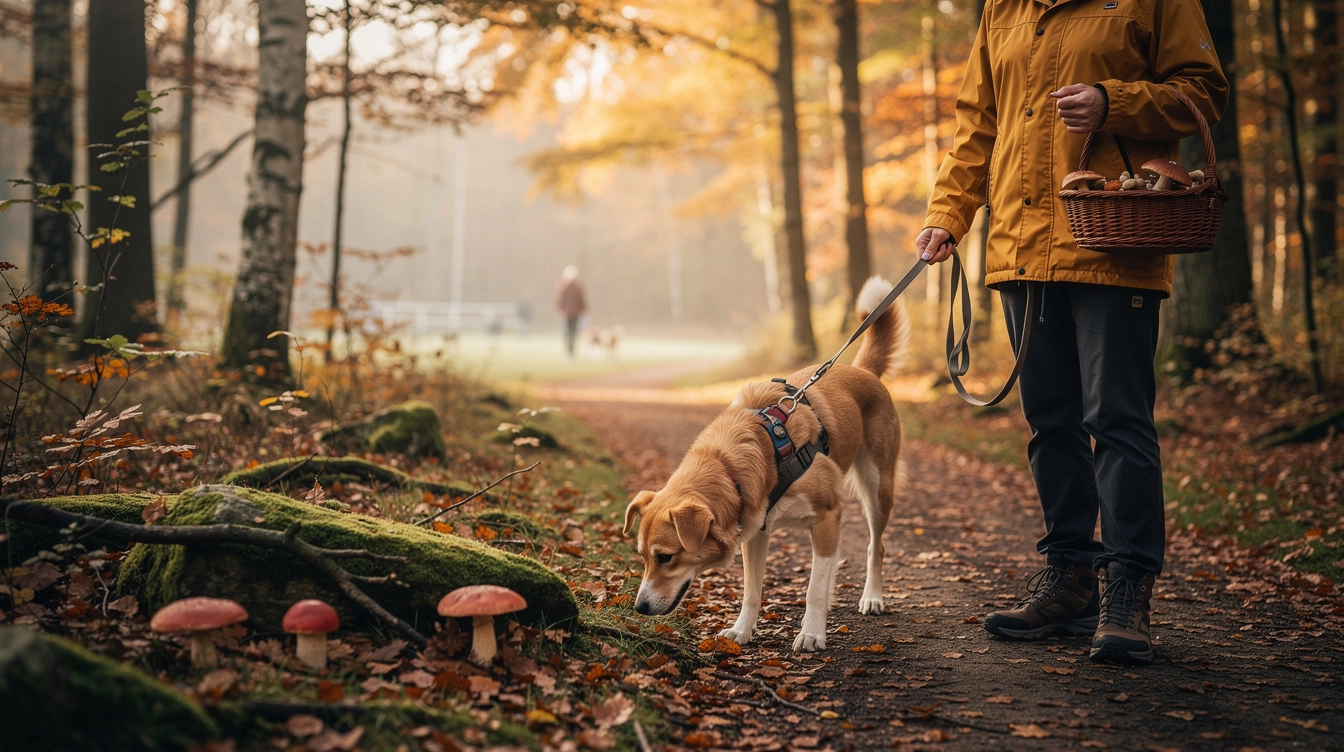
A wet day is perfect for a calm sniffing walk, where the dog gets to explore the surroundings at its own pace. Look for paths with needles, leaves, or sand, which often feel more comfortable than slick mud. Slow down and give the dog time to sniff at tree trunks, bushes, and small open areas.
A sniffing walk doesn't have to be long to be rewarding. Twenty to thirty minutes of concentrated nose work can result in a tired and satisfied dog, even if you don't cover the entire dog park.
2. Find Nature's Small Tracks
After rain, many tracks become more visible. Look for snails, bird footprints, cones, fallen branches, and places where animals have moved through the forest floor. Let the dog explore the area, but keep an eye on it to ensure it doesn't eat mushrooms, decaying plant parts, or anything unknown from the ground.
You can turn the walk into a simple search game by hiding a few of the dog's own treats in dry leaves or by a tree stump. Use only places where it's allowed and remove any leftovers. The activity gives the dog something to focus on without requiring high speed on a slippery surface.
3. Combine the Dog Park with a Dry Break
If the dog park has benches or a covered area nearby, you can take a short break along the way. A calm break is especially good for puppies, older dogs, and dogs that tire quickly in cold weather.
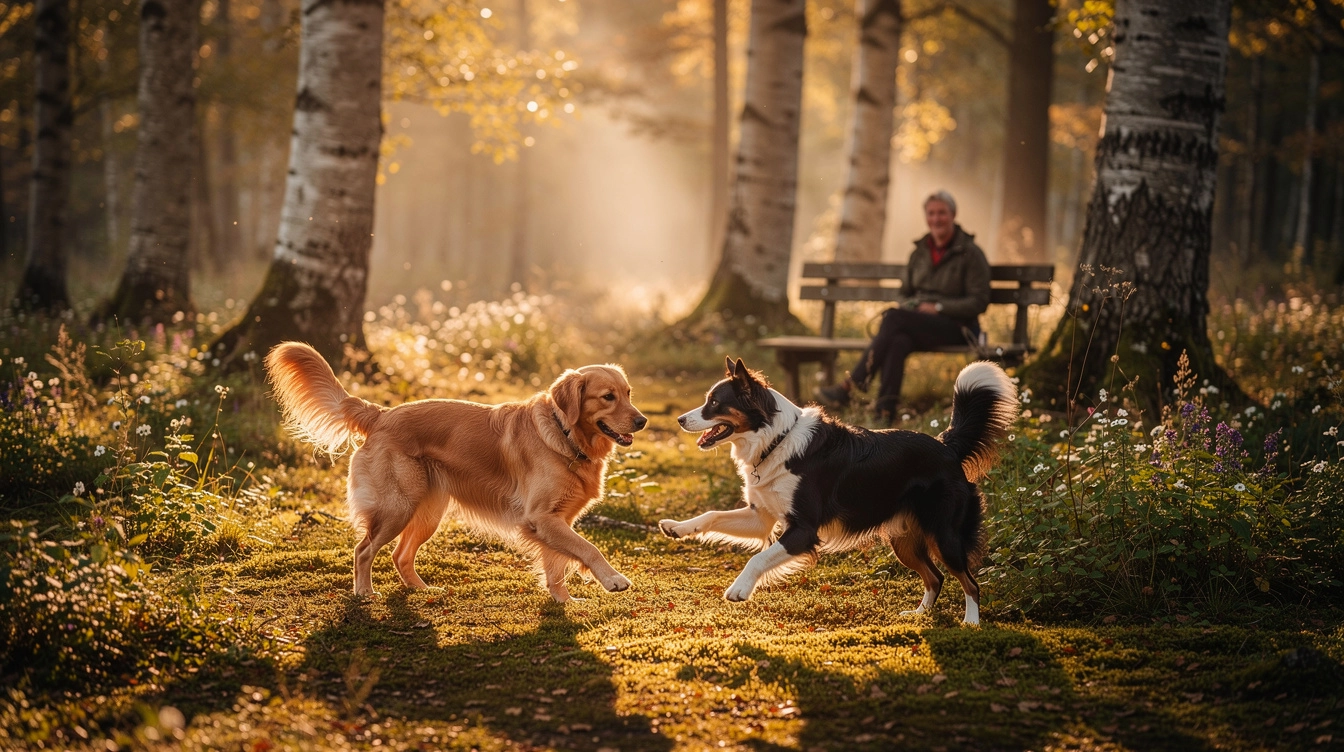
Bring a blanket or a towel so the dog can lie dry while you take off your boots or drink a warm cup of coffee. In some areas, a short walk on the park's main path can be combined with free play in the fenced part if conditions are good.
Find New Dog Parks After Rain with Hundeskoven.dk and the App
When the usual dog park has turned into a mud bath, it can be a good opportunity to try a new area. On Hundeskoven.dk, you can get an overview of dog parks throughout Denmark, including dog parks in Central Jutland and many other regions.
Feel free to compare several options before deciding. Look for distance, size, and facilities, and consider if there is parking close to the entrance. It makes a difference when the dog needs drying, or when you prefer not to fill the car with wet towels after the walk.
It can also be practical to save the dog parks that work well in wet weather. Then you'll have a small list ready for the next rainy weekend instead of having to start the search from scratch.
Remember This Before and After a Wet Walk in Nature
Always pack at least one large towel, preferably an extra for the car's boot, and consider a waterproof mat or blanket for the dog's place. A couple of bags for muddy leads and toys can also save you from cleanup later.
Before you go, check the dog's paws. Trim any long hair between the pads if they collect a lot of mud, but avoid cutting close to the skin. On the walk, be aware of sharp branches, fallen trees, and slippery roots, which can be harder to see under wet leaves.
After the walk, rinse paws and legs with lukewarm water. Dry thoroughly between the toes and around the pads, where moisture can otherwise cause irritation. Also, feel for small stones, thorns, or clumps of mud. If the dog has become very wet, it should be dried and have the opportunity to rest warmly.
Don't push the dog for a long walk if it seems cold, tired, or sore. A shorter walk with good sniffing experiences is better than a long route on heavy and slippery ground. Also, be considerate of the forest paths: Walk around the softest areas so they don't get ruined for other dog owners.
Make a Wet Weekend a Good Dog Walk
A dog park after rain can still be a lovely outing if you choose the terrain thoughtfully and adapt activities to the conditions. Find a park with firm ground, pack towels, and give the dog time to sniff rather than focusing on kilometres.
Spend the weekend exploring a new dog park in the Danish nature. With the Hundeskoven app, you can find a suitable area, check the facilities, and get directions directly to the start of the walk, making it easier to get out, even when the weather has been wet.