If you have a female dog, encountering her heat cycle is inevitable – and the first time can feel overwhelming. What is normal? What should you do differently? And how do you best care for your dog in heat when you're out? This guide provides you with the answers you need.
What is the heat cycle, and when does it start in your female dog?
The heat cycle – also called estrus – is the period when your female dog is sexually mature and can become pregnant. It is a natural part of the female dog's life cycle and typically occurs twice a year, although it varies from dog to dog.
Most female dogs experience their first heat cycle between 6 and 12 months, but large breeds may wait until they are 18-24 months. After this, the heat cycle occurs at an interval of about 6 months, although some females only go into heat once a year.
The heat cycle itself is divided into four phases:
- Proestrus (preparation): Lasts 7-10 days. The vulva swells, and there is bloody discharge. The female attracts male dogs but does not yet accept mating.
- Estrus (actual heat): Lasts 5-9 days. The discharge becomes lighter. Now the female is fertile and accepts male dogs.
- Metestrus (ending): Hormones decrease. The female rejects male dogs again.
- Anestrus (rest period): The long pause until the next heat cycle.
Signs and symptoms: How to recognise that your dog is in heat
You don't need to wait for a blood test at the vet to discover that your dog is in heat. There are several clear signs to watch for:
- Swollen and red vulva
- Bloody or pinkish discharge on the floor, bedding, or from the female herself
- Increased licking of the hindquarters
- Changed behaviour: more affectionate, restless, or conversely more reserved
- Marking outside – the female leaves scent trails to signal to male dogs
- Male dogs in the neighbourhood suddenly become very interested
Some females show very clear symptoms, while others show almost no signs. If you know your dog's normal behaviour, you usually notice it quickly.
Practical advice: What you should and shouldn't do during the heat cycle phases
Having a dog in heat requires a little extra attention – but it is fully manageable with the right precautions.
What you should do:
- Keep your female dog on a lead outside, especially during the estrus phase. Even the most obedient female can run away, and male dogs can come from far away.
- Consider changing the timing of walks to avoid the busiest dog times and reduce encounters with male dogs.
- Gently wash your female dog's hindquarters to minimise scent trails in the home.
- Consider heat cycle diapers for indoor use, especially if your furniture is light-coloured.
- Note the dates of the heat cycle – it makes it much easier to plan ahead and provide the vet with accurate information.
What you shouldn't do:
- Never let your female dog run free in areas with other dogs during the fertile phase of the heat cycle – even a second of inattention is enough.
- Avoid dog parks and runs with other loose dogs during the estrus period. It's not the place for unfortunate encounters.
- Do not give your female dog hormone-disrupting products without the vet's advice.
- Don't stress unnecessarily over behavioural changes – they are hormonally driven and temporary.
If you want to know more about behaviour rules in dog parks in general, you can read about dog park rules.
Walks in nature and dog parks during the heat cycle – how to navigate safely
Having a dog in heat doesn't mean you have to stay indoors for three weeks. Your female dog still needs exercise and stimulation – and you need to get out. It's just about planning a little smarter.
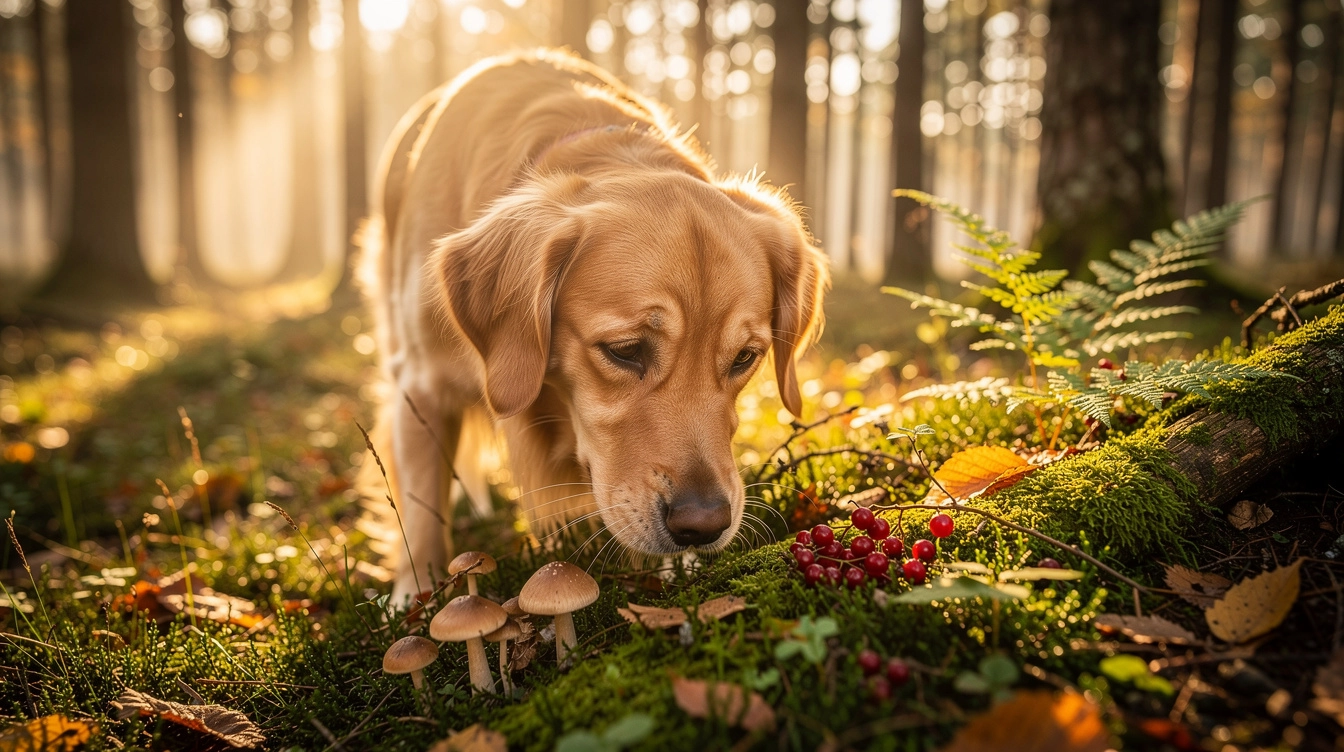
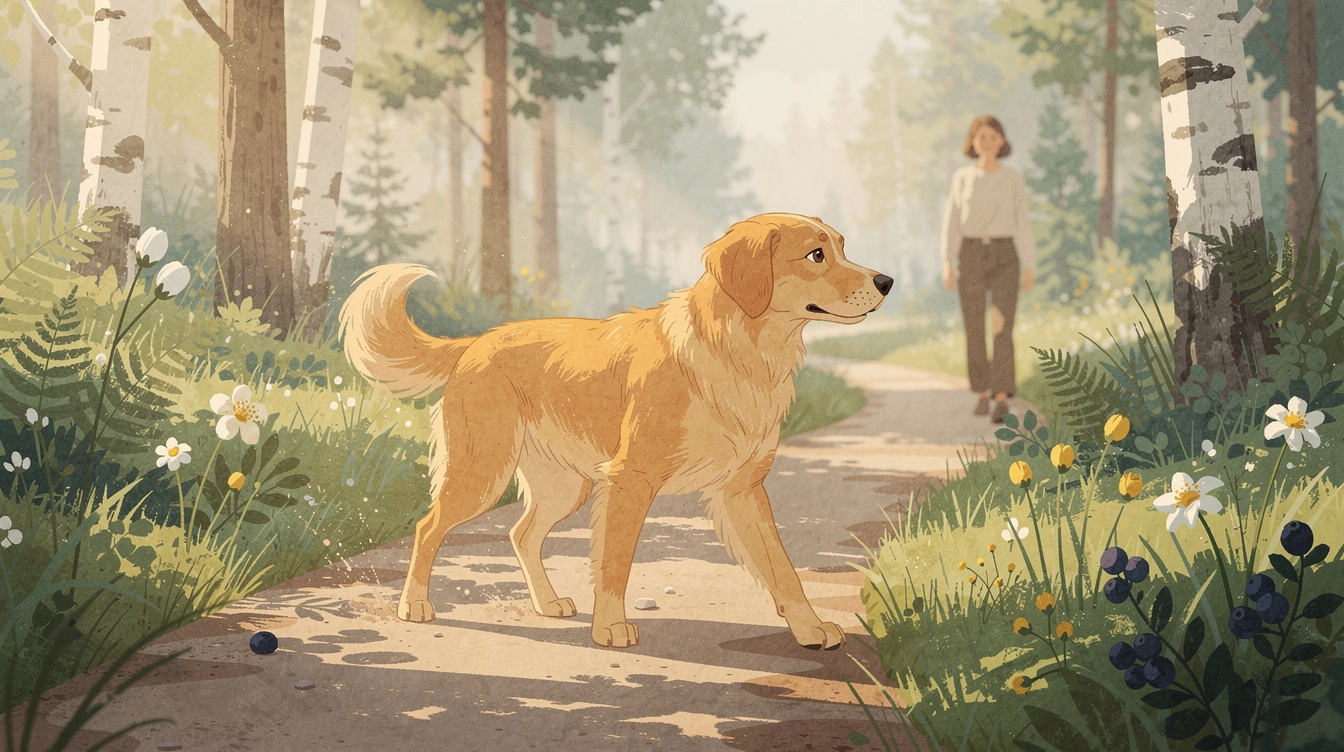
In the proestrus phase, where the female is not yet fertile, calm walks in nature are perfectly possible. Keep her on a lead and choose routes where you don't encounter many loose dogs. Quiet forest paths, open fields, or less busy park trails are ideal.
In the estrus phase, you should avoid places with many loose dogs. Here, fenced dog parks are not a good choice – the risk of unintended mating is simply too high. Instead, focus on lead walks in open areas, preferably at times outside of peak hours.
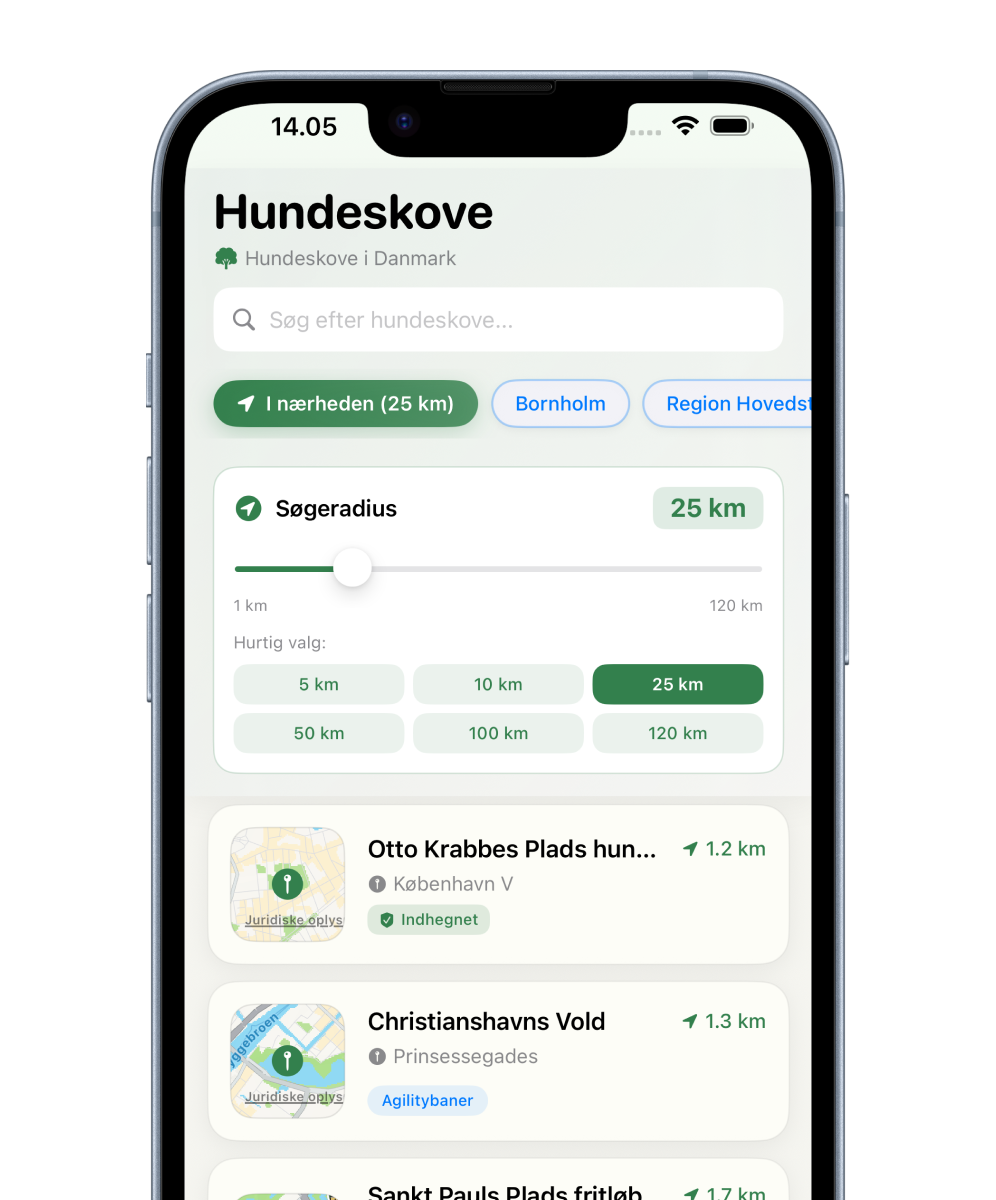
When planning which areas you can visit, the Hundeskoven app can be a great help. You can see directly in the app whether a given dog park is fenced or not – and that information is invaluable when your female dog is in heat. An open, unfenced dog park can certainly be used for lead walks, while you can consciously avoid the fenced ones until the heat cycle is over. Find dog parks in your area on hundeskoven.dk or download the app on the App Store.
After the heat cycle, your female dog is ready to fully return to normal routines – and then there's good reason to celebrate with a long walk in one of the country's many fine dog parks. If you're looking for inspiration, you can, for example, explore dog parks in the Capital Region or find a green area close to you.
Brief summary: A dog in heat requires care and planning
A dog in heat is not sick – but she needs you to take a little extra care. Keep her on a lead, avoid fenced dog parks during the fertile phase, note the dates, and be aware of her behaviour. With these simple precautions, you will safely get through the heat cycle – and can look forward to many good walks afterwards.