Many dog owners have experienced it: the dog grabs something from the table, and you immediately start googling to see if it's dangerous. What should dogs not eat is one of the most searched questions among Danish dog owners – and for good reason. Some foods we enjoy daily can be directly life-threatening for our dogs. This guide gives you a clear overview of what to keep your dog away from, what they can have, and when you need to act quickly.
The Most Dangerous Foods for Dogs – and Why They Are Harmful
It's not always obvious which foods pose a real danger. Here are the most important ones to know:
Grapes and raisins are among the most serious. Even small amounts can cause acute kidney failure in dogs, and we still don't know exactly which compound in the fruit is the culprit. Avoid them completely.
Chocolate contains theobromine, which dogs cannot break down effectively. The darker the chocolate, the more dangerous it is. Symptoms range from vomiting and restlessness to seizures and, in the worst case, cardiac arrest.
Onions, garlic, and chives – whether raw, cooked, or dried – break down red blood cells and can eventually lead to anemia. Dogs that regularly get leftovers with onions are particularly at risk.
Xylitol is a sweetener found in chewing gum, sugar-free sweets, some peanut butters, and even toothpaste. It triggers a massive insulin release and can cause low blood sugar and liver failure very quickly.
Alcohol and caffeinated drinks affect a dog's central nervous system much more than a human's. Even a sip of coffee or beer can cause severe symptoms.
Macadamia nuts are particularly mysterious – we don't know the exact cause, but they cause weakness, vomiting, tremors, and fever in dogs.
Avocado contains persin, which can damage a dog's heart and lungs, and the pit also poses a serious choking hazard.
Remember to save the list – and consider putting it on the fridge door if you have guests who may not know the rules.
What Can Dogs Eat? Healthy Alternatives and Treats from the Kitchen
Fortunately, there are plenty of natural and healthy alternatives you can safely give your dog. Many of them are right in your vegetable drawer:
- Carrots are excellent as a treat – low in calories and good for the teeth
- Apples (without core and seeds) provide natural sweetness and vitamins
- Blueberries and strawberries are full of antioxidants and most dogs love them
- Broccoli and cauliflower in small amounts are fine, but avoid large portions as they can cause gas
- Cooked chicken or turkey without bones and spices is easily digestible and great as a reward during training
- Rice and oatmeal can serve as a bland diet if the stomach is upset
- Cucumber is a fresh and watery alternative – perfect on a hot day
In general, simple, unprocessed ingredients without salt, sugar, and spices are the safest choices. Avoid sharing your cooking directly – instead, make a small portion for the dog without additives.
Signs Your Dog Has Eaten Something Harmful – When to Call the Vet?
Knowing what dogs should not eat is important to know in advance – but it's just as important to recognize the signs that something has gone wrong. Contact the vet immediately if you notice:
- Repeated vomiting or severe diarrhea
- Tremors, seizures, or muscle weakness
- Unusual lethargy or lack of response
- Swollen abdomen, difficulty breathing
- Blood in vomit or stool
- Significantly increased or decreased urination
Always act sooner rather than later. If you suspect the dog has eaten something dangerous, call your vet or emergency clinic and tell them exactly what and how much the dog has likely eaten. The sooner you act, the better the prognosis.
Practical Tips to Keep Your Dog Away from Dangerous Food – At Home and on Walks in the Dog Park
Knowing what dogs should not eat is one thing – ensuring it in everyday life requires a bit of planning:
At Home: Always close bins and compost bins, as dogs are experts at finding leftovers. Store chocolate, raisins, and xylitol products high and out of reach. Inform guests and children that they should not feed the dog from the table – even with the best intentions.
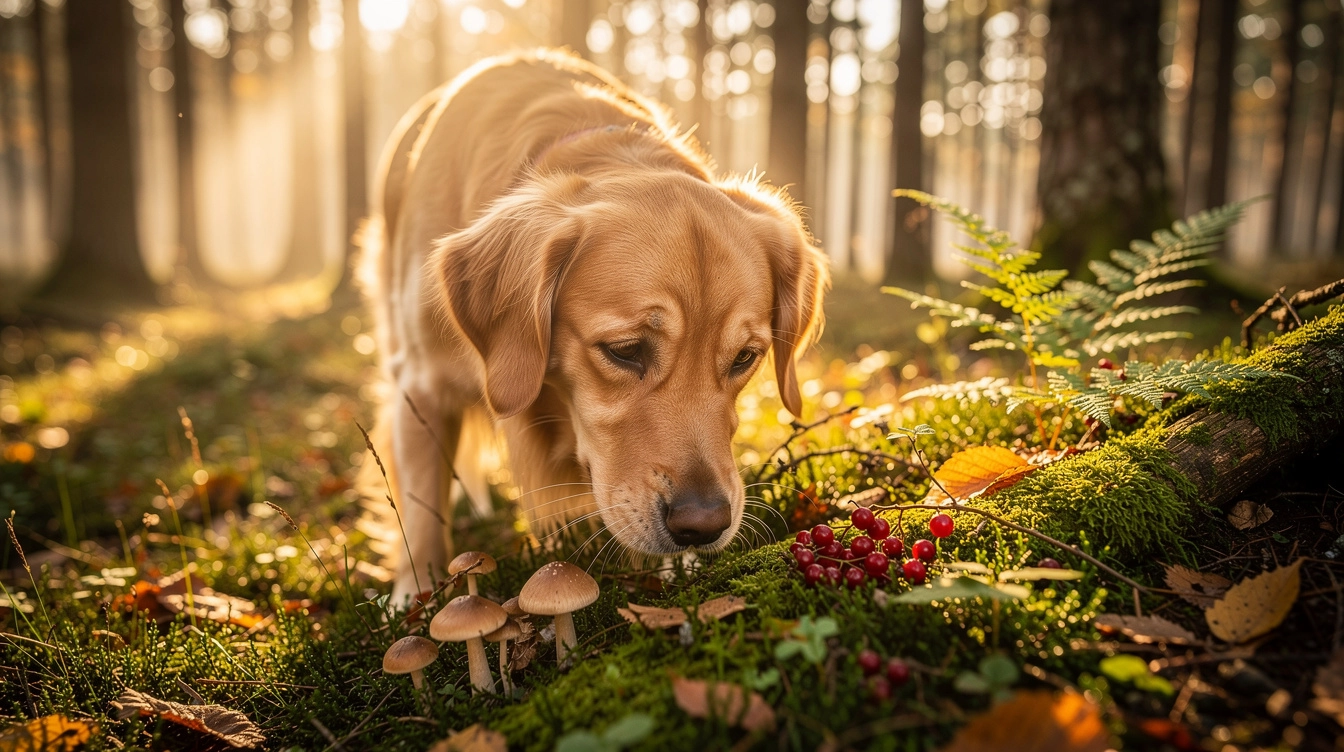
When You're Out: In nature, it's a different challenge. Dogs sniff and taste everything – rubbish, mushrooms that look harmless, berries from bushes they run past. Keep an extra eye out during periods of fallen fruit, and practice the command "drop" so the dog releases things on command.
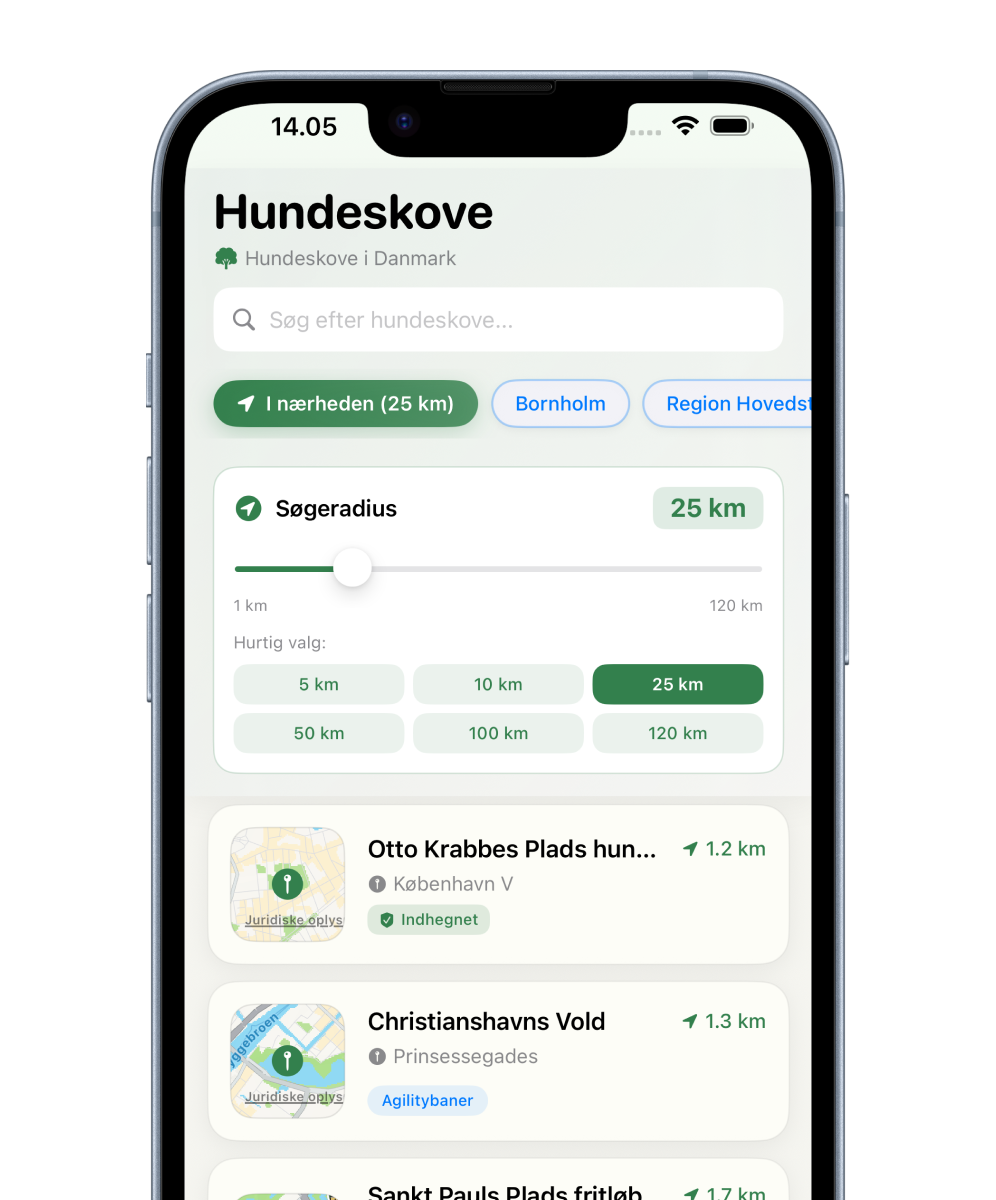
In dog parks, the risk is generally lower than in parks and beaches, as the parks are typically better maintained and free of rubbish. You can see facilities and maintenance levels for dog parks near you – find them via the Hundeskoven app, which shows you fencing, water points, and parking before you head out.
Get Out with Your Dog – On a Safe and Secure Trip
When you know what dogs should not eat, and know the healthy alternatives, you can take your dog out with much more peace of mind. A good trip to the dog park is not just good exercise – it's one of the best things you can do for your dog's well-being and mental health.
If you want to find a dog park nearby with the right facilities – perhaps a fenced park where you can let the dog off the lead without worry – you can use the Hundeskoven app to look up which parks are closest to you, and see exactly what they offer. Find, for example, dog parks in the Capital Region or explore the options across the country.
Enjoy your trip – and bon appétit to the right things.