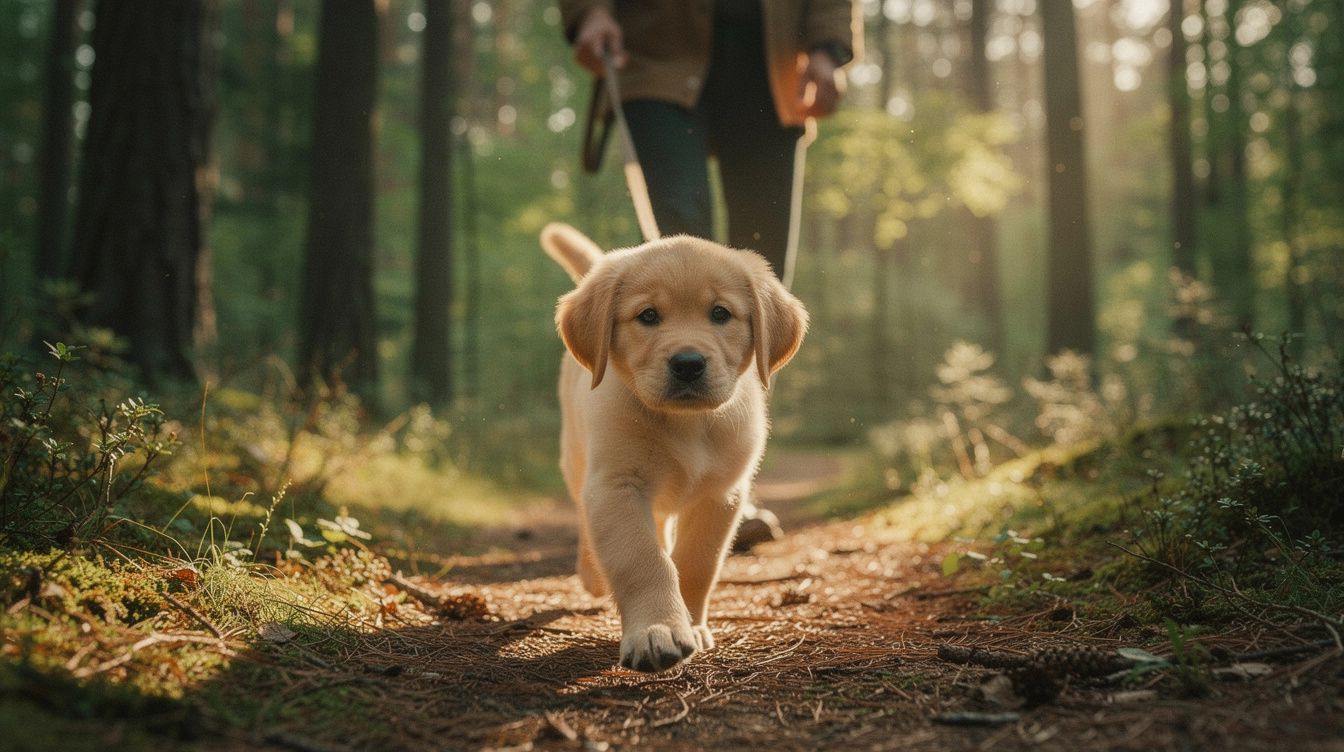
Your puppy has chewed through the toys, invented new ways to grab attention, and now you're watching videos of dogs frolicking in the dog park and wondering: when can we do that? Puppy in the dog park for the first time is one of the questions almost all new dog owners ask themselves — and the answer is more nuanced than a simple age number.
When is your puppy ready for the dog park? Age, vaccinations, and social prerequisites
The most important rule of thumb is vaccinations. Your puppy must at least have completed its basic vaccination program, which typically concludes around 12-16 weeks of age, depending on the specific vaccine and your vet's recommendation. Until then, the immune system is not fully developed, and contact with unfamiliar dogs and ground where many dogs roam poses a real health risk.
But vaccination is just one parameter. Social prerequisites count at least as much. Ask yourself:
- Does your puppy react calmly to unfamiliar dogs when you meet them on walks?
- Has the puppy learned to return to you when you call?
- Does the puppy know its name and respond reliably, even when exciting things are happening?
A 14-week-old puppy that has never met a strange dog and has no basis for recall is not ready for the dog park — regardless of vaccination status. Start with controlled meetings with known, calm dogs before taking the step into a dog park with many unknown animals.
Most experienced dog owners recommend waiting until the puppy is at least 4-5 months old and has had positive encounters with other dogs in more controlled settings. But it's your assessment based on your dog's individual development that counts the most.
Fenced or open dog park — what's best for your puppy's first time?
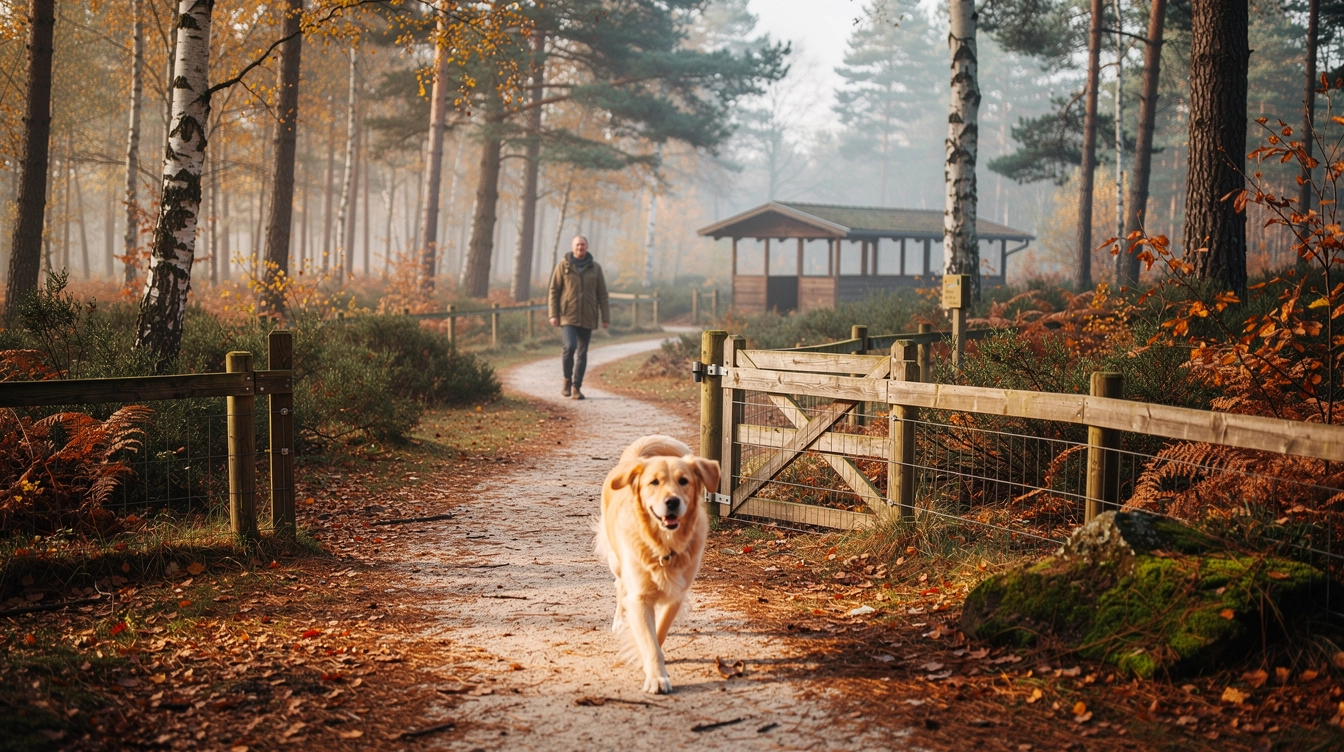
Here, there is actually a relatively clear answer: fenced dog park is preferable for a puppy's first time in the dog park.
The reason is simple. A puppy can easily become overwhelmed, scared, or overstimulated and seek to escape. In a fenced dog park, you don't have to worry about the puppy running into the road or disappearing into the forest. You can focus on observing whether the interaction with the other dogs is going well — and intervene if necessary.
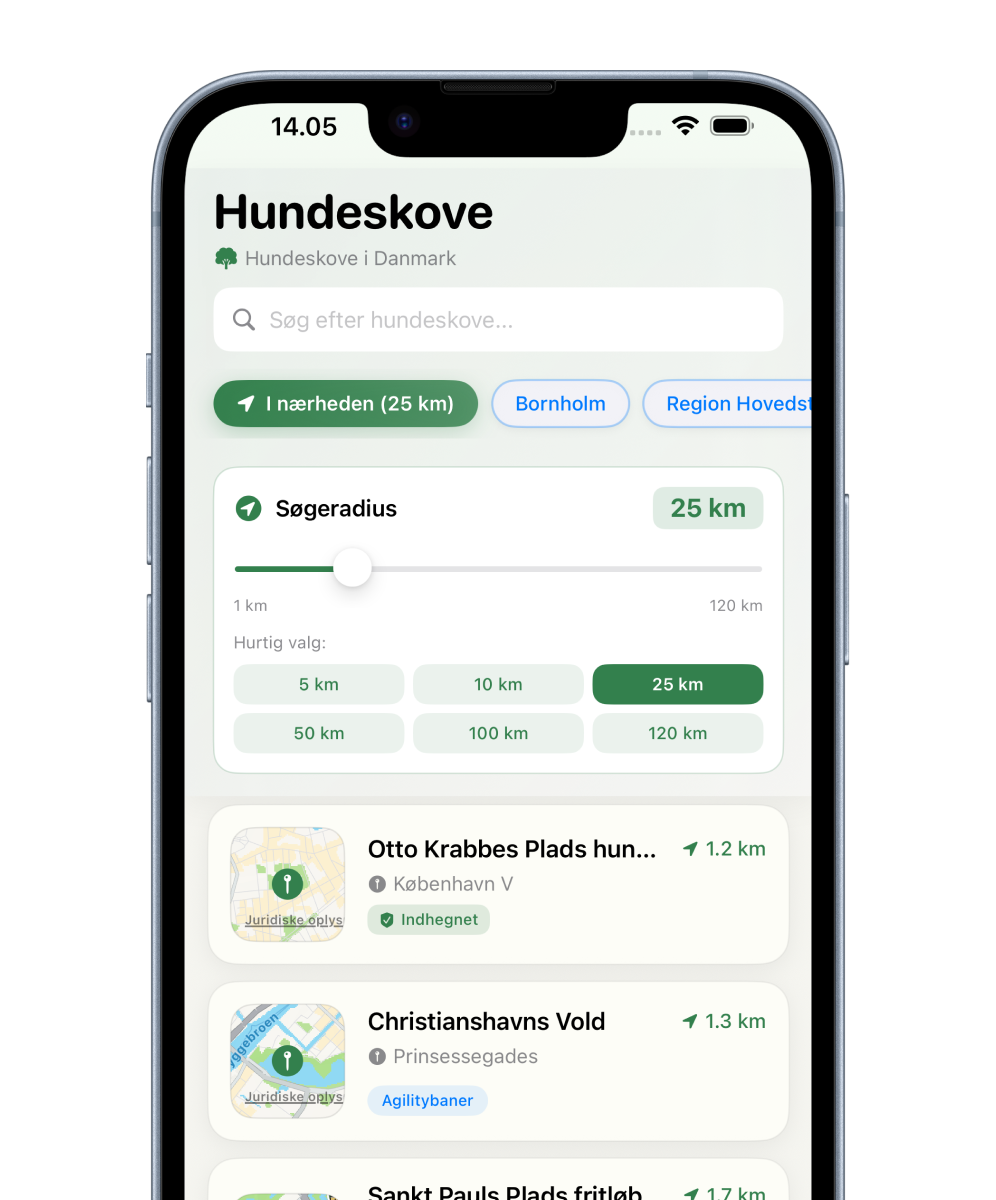
In the Hundeskoven app, you can filter by whether a dog park is fenced, and you can check facilities like parking conditions and water points before you drive there. This saves you from unpleasant surprises with a puppy in your arms.
An open dog park can work — but then you should have a very reliable recall in place and preferably visit it at times when there aren't many dogs. Early mornings on weekdays are often a good choice.
How to approach your puppy's first visit to the dog park: step by step
The first visit to the dog park should not be a long stay. Set 20-30 minutes as a goal and be ready to go home earlier if the puppy shows signs of being overwhelmed.
Before you arrive: Take the puppy on a shorter walk, so it's not at its most energetic when you enter. A puppy that's already a bit tired is easier to read and easier to call to you.
When you arrive: Stay by the entrance for a few minutes and let the puppy observe. Let it see and smell before it even meets other dogs. Stay calm yourself — your puppy mirrors your attitude directly.
Inside the dog park: Don't let the puppy off the lead immediately in a large group. Find a quiet corner or wait until there are relatively few dogs. Let the first encounters happen on the puppy's terms, and break up the interaction with short breaks where the puppy comes back to you and gets a treat. This trains recall and shows the puppy that you are a safe place to return to.
Watch for signs of stress: ears flat back, tail down, frozen body language, or attempts to hide behind your legs. If you see this, help the puppy out of the situation — never force a scared puppy to interact.
Before you go home: End on a positive note. Play a little with the puppy alone, give treats and praise. That's the impression the puppy takes home.
For more information on the rules that apply in dog parks, you can read more on the page about dog park rules — it's always a good idea to know them before you arrive.
Find the right dog park for your puppy
Puppy in the dog park for the first time is largely about choosing the right place. A large, open dog park with ten running dogs is not the same as a smaller, fenced park on a quiet weekday.
Spend some time researching before you just drive to the nearest one. Consider size, fencing, parking conditions, and when during the day it is typically most visited.
If you haven't yet downloaded the Hundeskoven app, now is a great time. You can see dog parks sorted by your current location, check if they are fenced, and get direct directions — all before you get in the car with an excited puppy in the back seat.
Your puppy's first trip to the dog park doesn't have to be perfect. It just needs to be safe — and with the right preparation and the right place, you're well on your way.