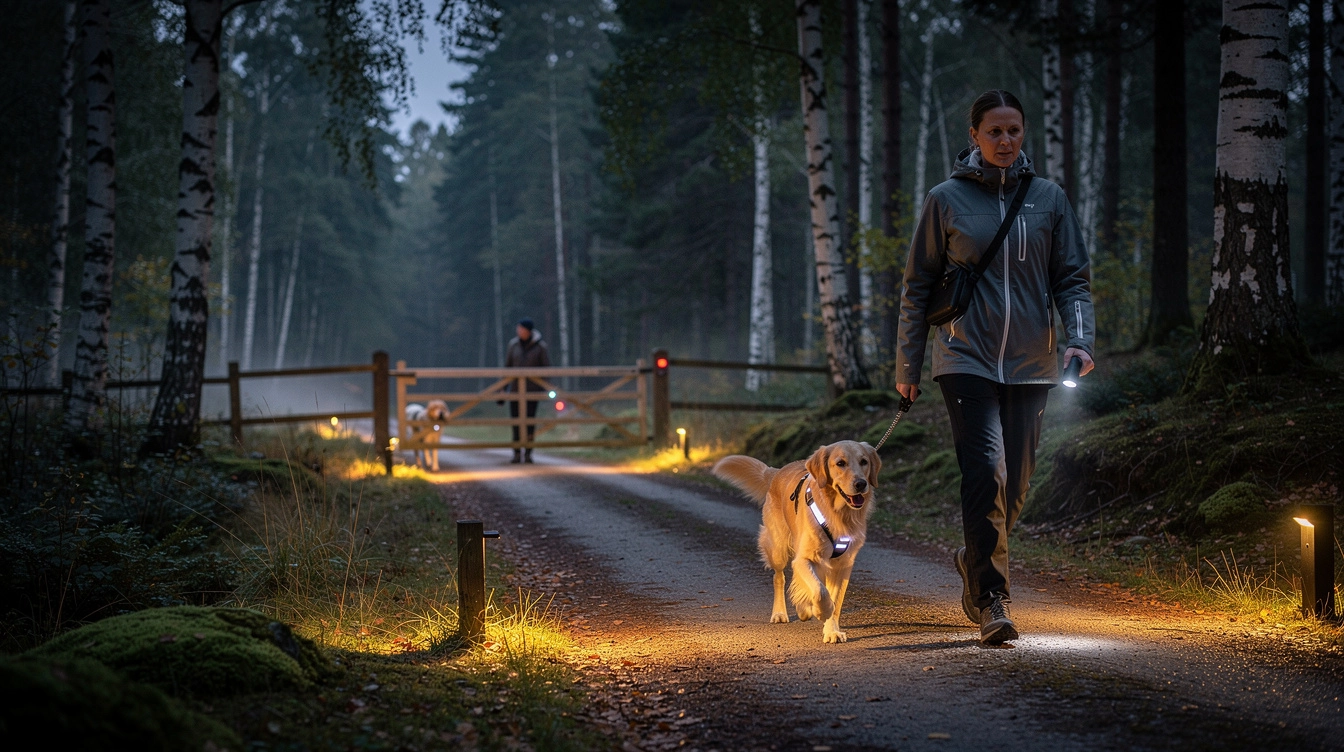
A dog park with lights can be a great help during the winter months when the workday often ends long before the sun sets. But not all lit dog parks are the same, and some only have lights on the access path or at the parking area. With a bit of preparation, you can find a place where both you and your dog feel safe on the dark walk.
What should you know before visiting a dog park after dark?
The first thing you should check is what is actually meant by lighting. Is the entire dog park lit, or is it only the path to the entrance? Many natural areas are completely or partly without lights for the sake of wildlife, and there are good reasons for this. Therefore, you should not assume that a dog park is automatically lit just because it is close to a residential area.
Check the municipality's website, the dog park's own information, or local notices before you set off. Also look for information about opening hours, gates, and any seasonal changes. A walk in the dark especially requires that you know where the entrance is and whether the area is fenced. You can read more about the general rules in our guide to dog park rules.
Also consider your dog's temperament. A confident dog that knows the area will typically find it easier to settle in the dark than a young dog or a dog that becomes anxious from sounds and movements it cannot see. Perhaps take the first walk at dusk so the dog can learn the paths and surroundings while there is still some daylight.
How to find a dog park with lights, good paths, and safe access
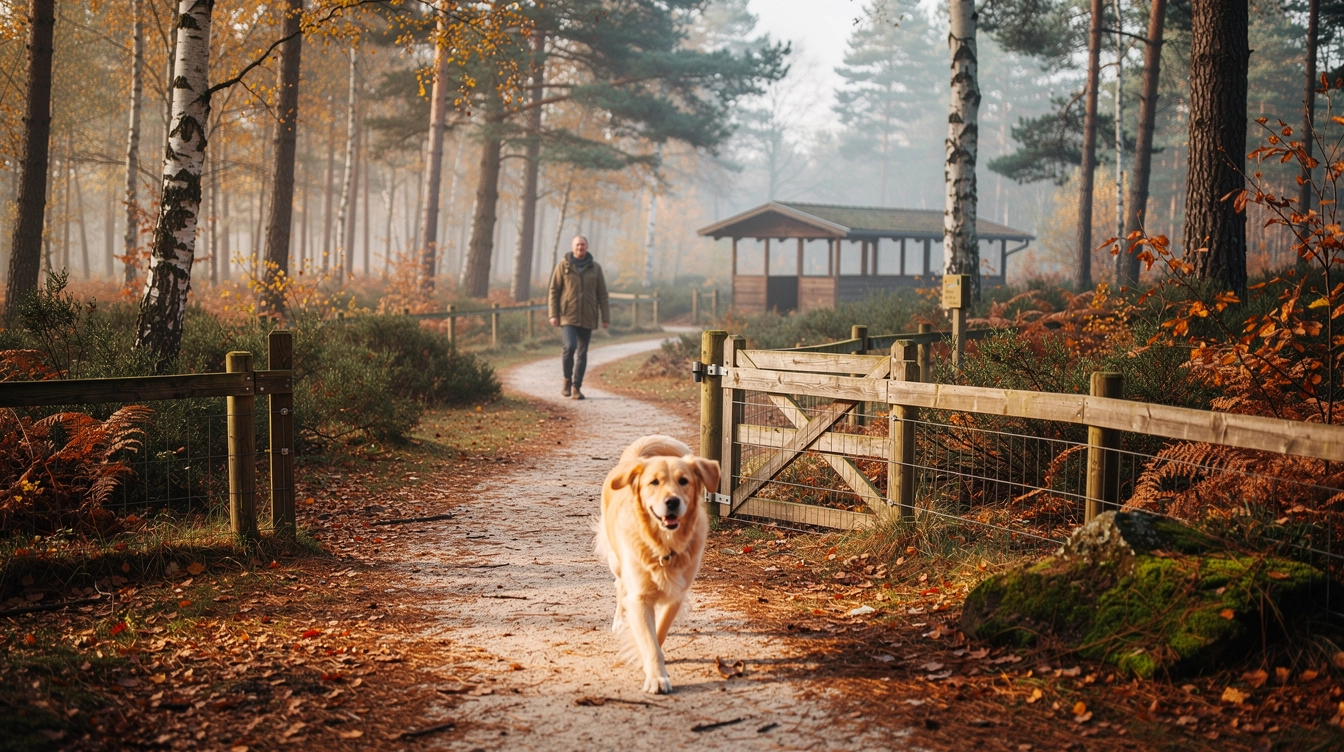
When looking for a dog park with lights, the access conditions are almost as important as the lighting itself. A clear, firm path from the parking to the entrance makes a big difference, especially after rain or frost. Avoid areas where you have to walk along a busy road without a pavement, or where the gate is hard to find in the dark.
Look for these conditions when assessing an area:
- Lighting at parking, entrance, and the most used paths
- Firm and even surface without many hidden roots or deep holes
- A gate that is easy to operate and closes securely behind you
- Parking area close to the entrance and preferably with a good overview
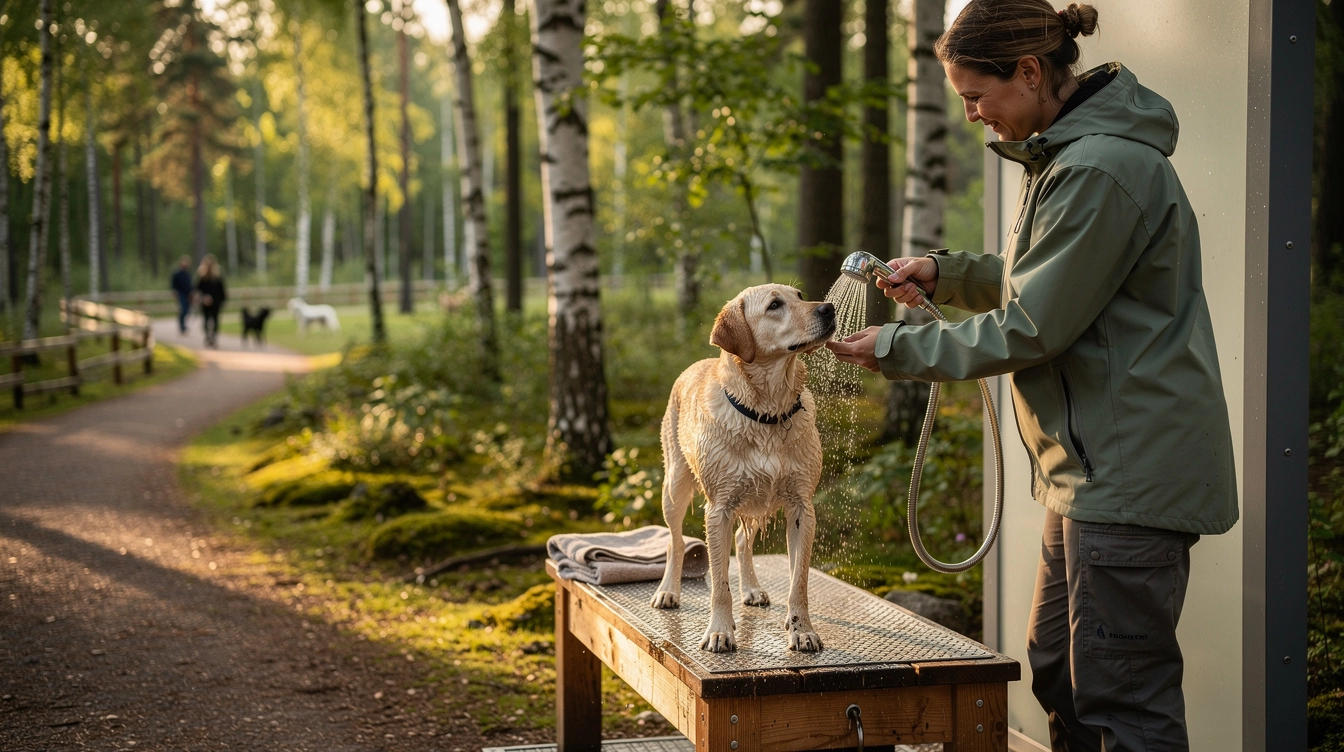
- Benches, waste stations, and possibly a water point
- Sufficient space for dogs to keep distance if necessary
Lights make it easier to see, but they do not solve all challenges. A headlamp or a small handheld torch is still a good idea, even if the area has street lamps. Use the light to orient yourself and check the surface, but do not point it directly into the eyes of other dogs or their owners.
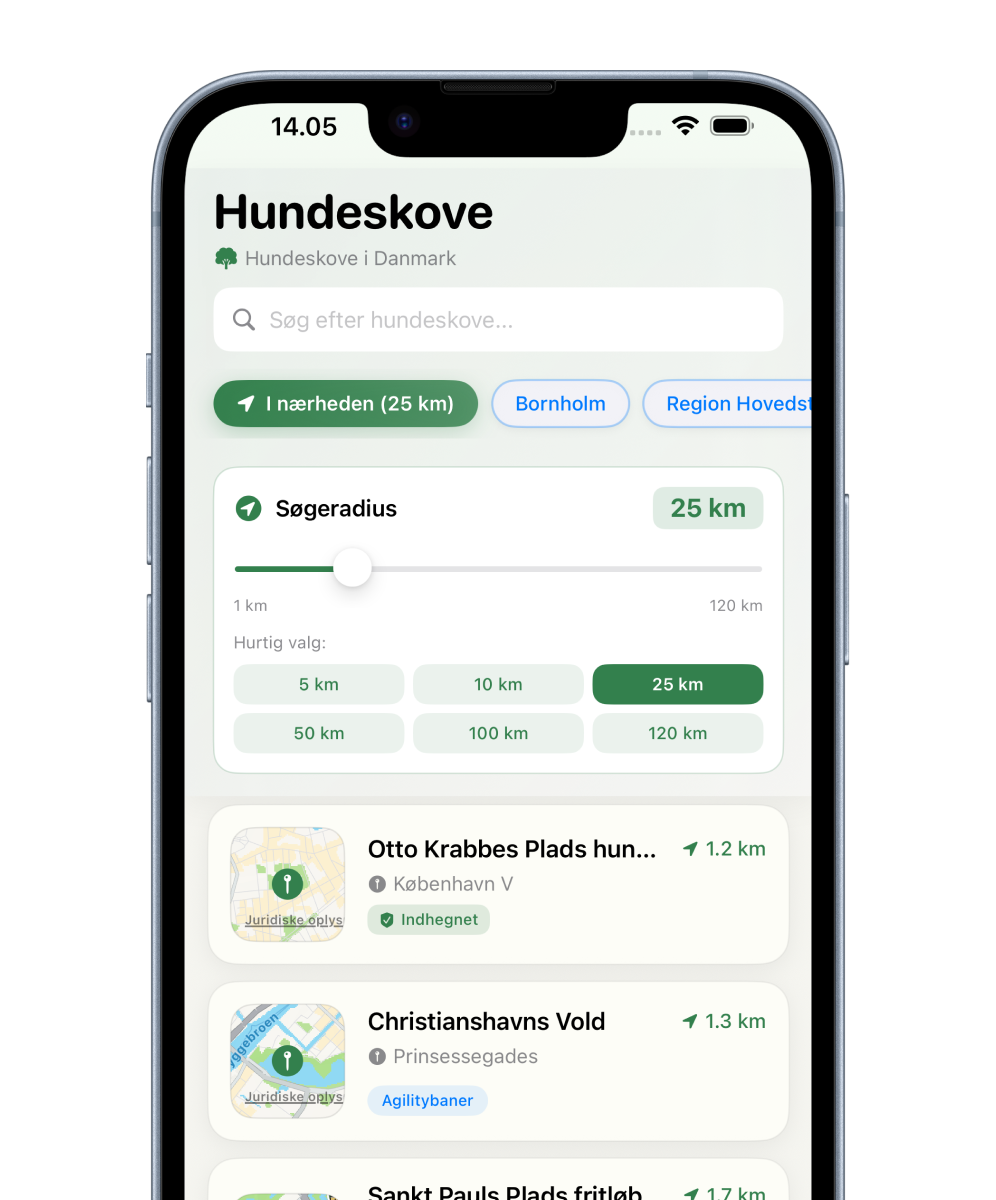
You can start your search on Hundeskoven.dk, where you can explore dog parks in different parts of the country. If you live in a larger city, it may also be worth comparing several areas, as a dog park with good lighting close to the city can be more practical than a larger, but completely dark natural area further away.
Light, reflection, and consideration for other dogs in the off-leash area
In the dark, both you and your dog become harder to spot. A reflective vest or a flashing light on the dog's harness can therefore be a simple safety measure. Choose a light that does not flash too brightly if your dog or other dogs become stressed by it. Reflectors on your own jacket or bag also make it easier for others to see where you are.
Do not let a strong light replace supervision. You still need to be able to call the dog to you, see its body language, and notice if it is heading towards another dog or out through an open gate. In a new dog park, it is sensible to keep the dog close to you for the first few minutes and let it sniff around the area before you let it off the lead, if the rules allow it.
Be extra attentive to encounters between dogs. In the dark, dogs may find it harder to read each other's signals because body language and facial expressions are not as clear. Call your dog over if another owner asks for space, or if you sense that the situation seems uncertain. Not all dogs enjoy free play, and there should be room for that in a dog park.
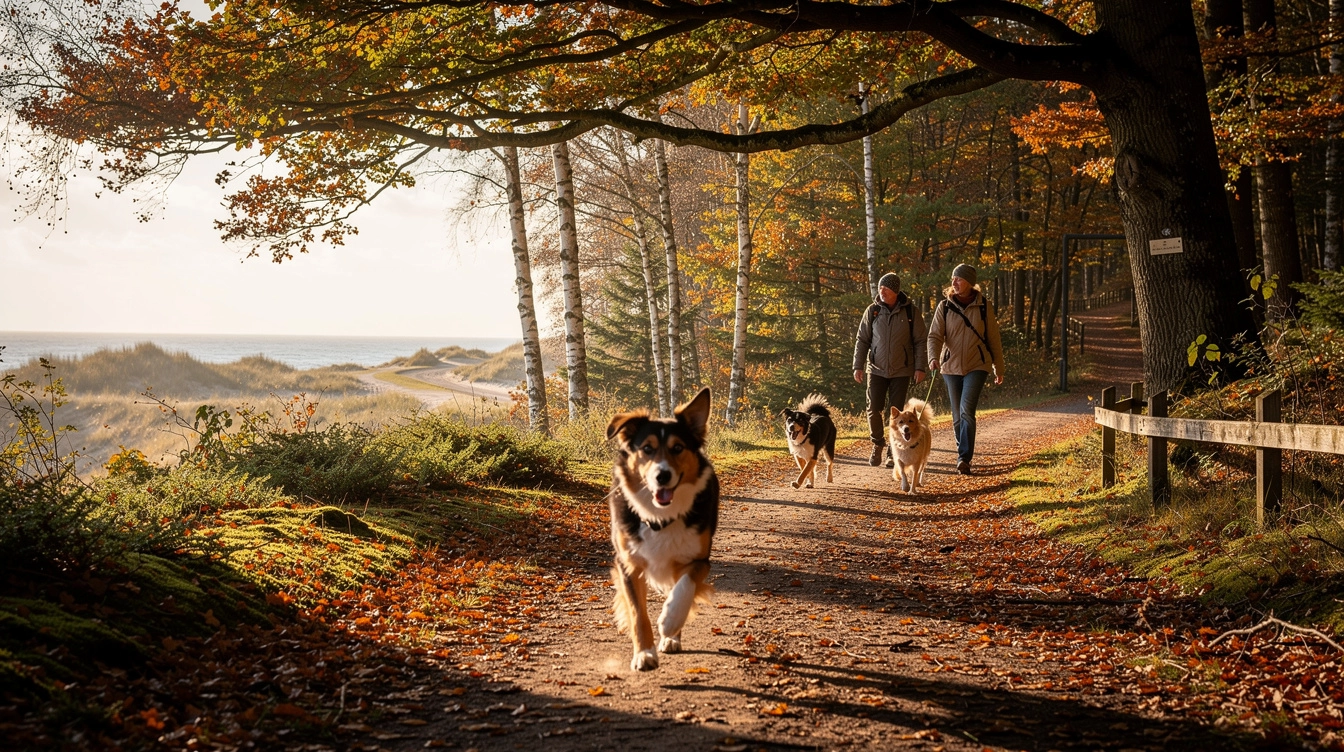
Also remember general nature considerations. Stay on the paths, avoid shouting or using strong light into thickets and forest floors, and always take your waste with you. Many wild animals are active at night, so a calm walk is better for both the dog and nature than a hectic chase through the area.
Find a suitable dog park with lights near you
The best solution depends on your dog, your transport, and how much light you need. Some prefer a smaller, city-near dog park with lit access, while others are happy to take a short walk on a lit path and then let the dog sniff freely in a darker area. Try it out, and assess after each walk whether the surface, atmosphere, and other visitors suit you.
On the Hundeskoven app, you can find dog parks near you based on your location and get directions directly to the area. Use information about fencing and facilities to choose a place that suits your evening walk, and then check local information about the specific lighting.
A dog park with lights makes it easier to get fresh air and exercise into everyday life, but safety especially comes from good planning, visibility, and consideration for others. Pack reflectors and a torch, choose a known route for the first walk, and get out with the dog – even when darkness falls early.