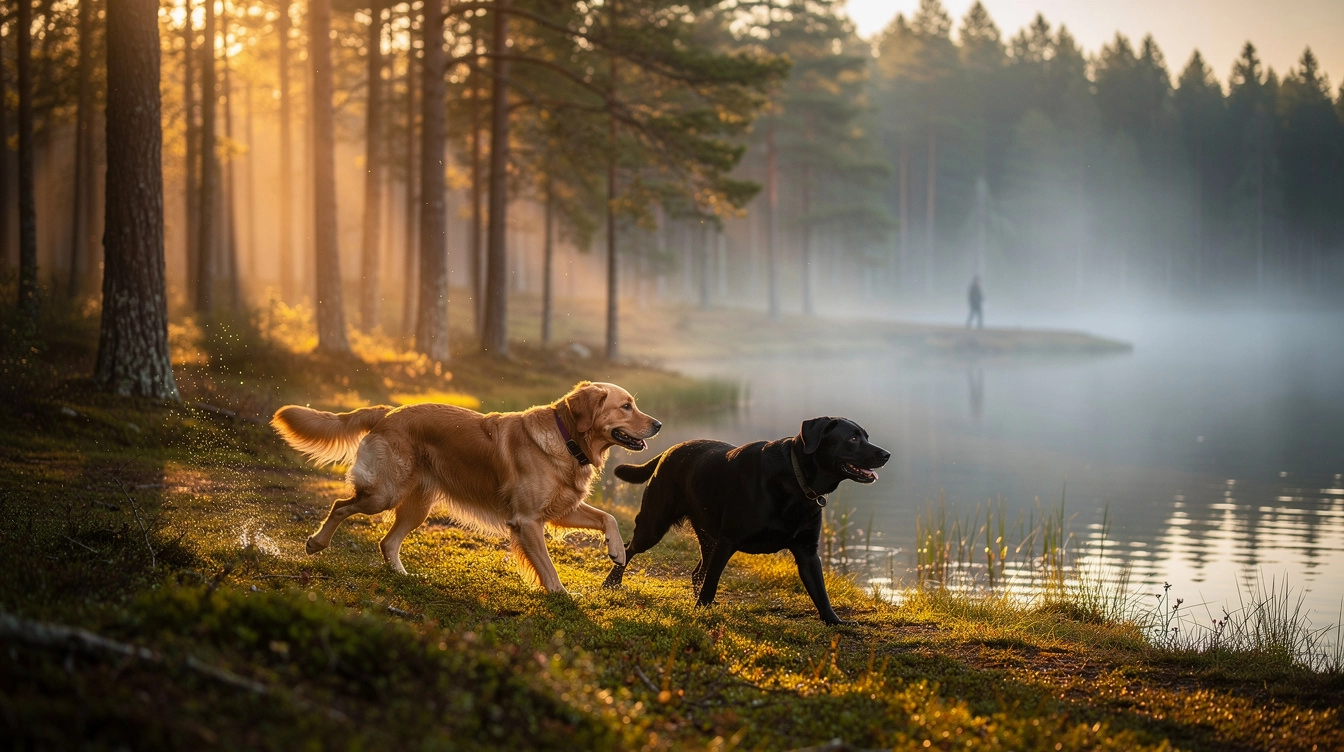
Few things beat the sight of a happy dog splashing into a stream or sprinting along a beach without a lead. Off-leash areas for dogs by the water in Denmark are fortunately not scarce — but it requires some preparation to find the right places and adhere to the applicable rules. Here’s a practical overview, so you and your dog can enjoy the water in peace and with a clear conscience.
What is an Off-Leash Area by the Water – and How Does it Differ from a Regular Dog Park?
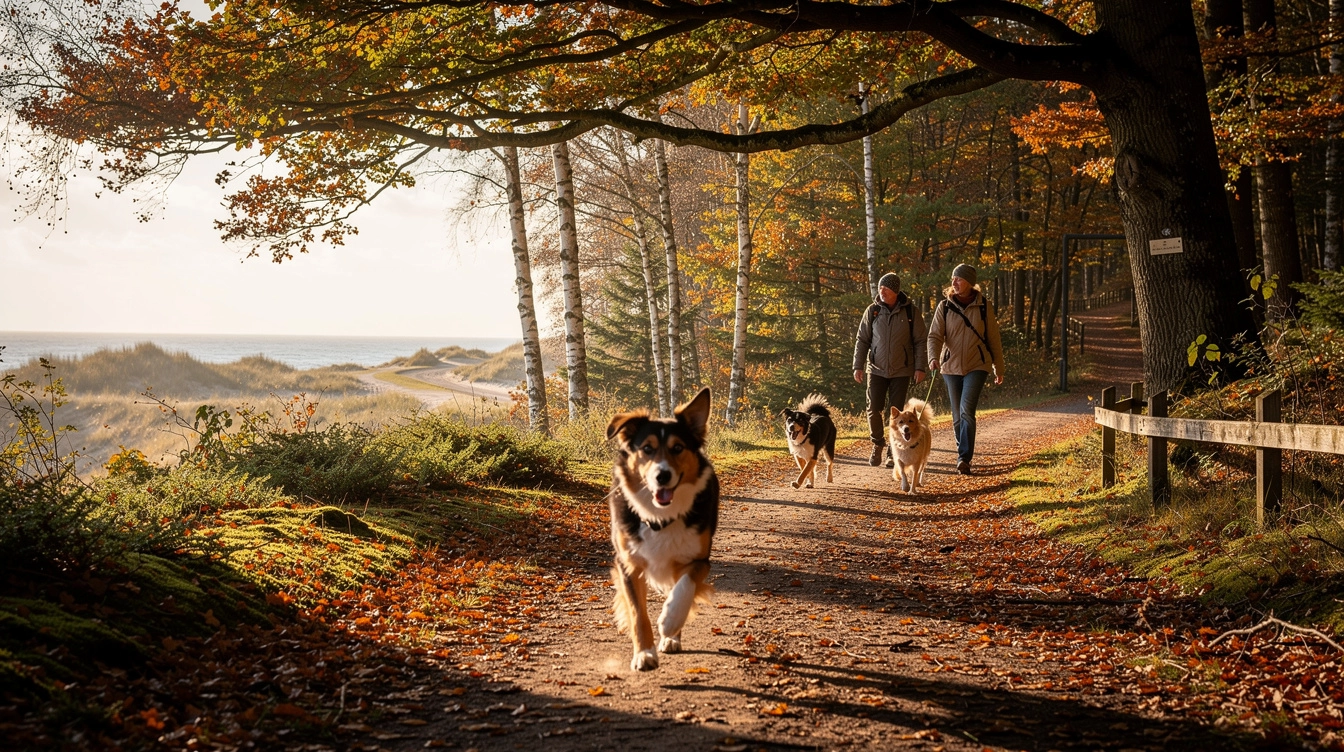
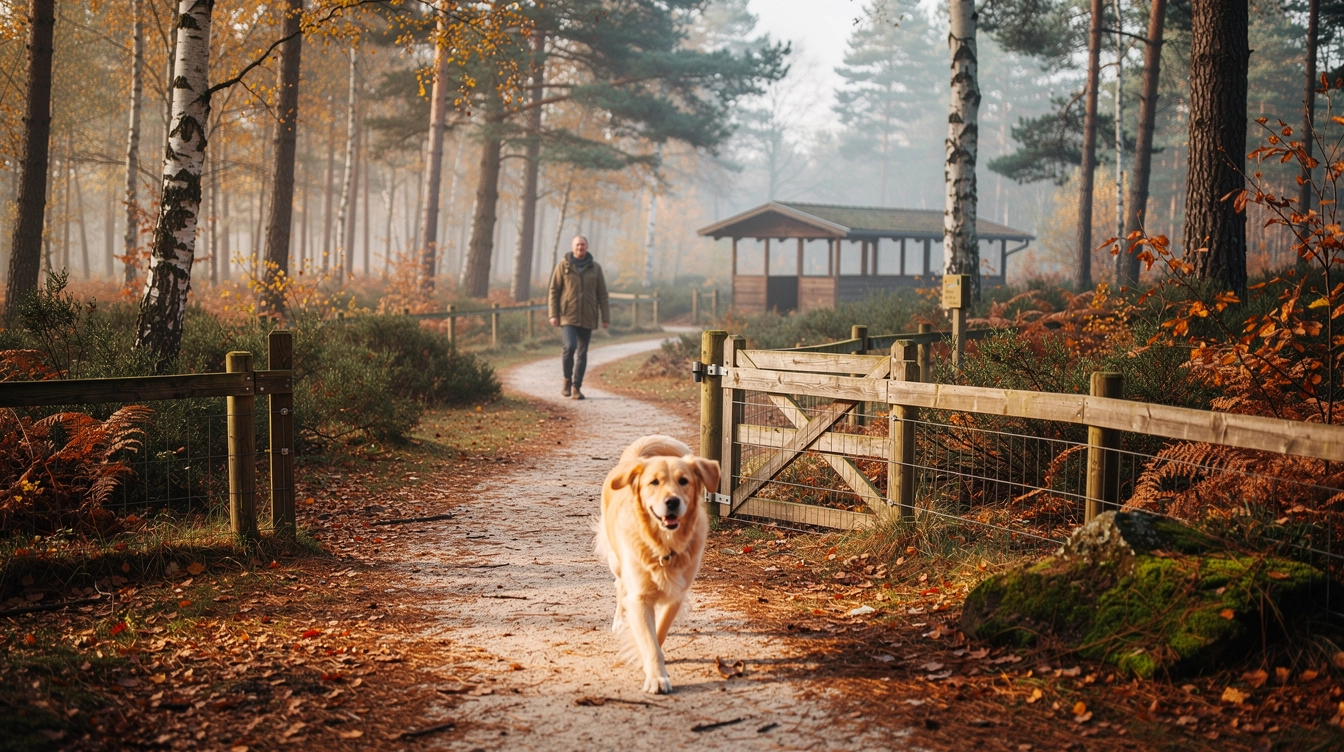
A classic dog park is typically a defined, fenced area in a forest or park where dogs can run free. An off-leash area by the water is something a bit different. It can be a stretch along a stream, a marked area by a lake, or a designated part of a beach where the lead requirement is lifted.
The difference is important. These areas are rarely fenced, and there are often natural hazards such as strong currents, deep underwater vegetation, or nearby traffic. On the other hand, they offer something a traditional dog park cannot: the genuine nature experience, the cold water, and the freedom that many dogs — especially retrievers, spaniels, and other water-loving breeds — immensely appreciate.
You can read more about what defines an off-leash area and what facilities you typically find in our guide to what is a dog park.
Rules and Lead Requirements by Streams, Lakes, and Coasts in the Summer Months
Here’s where many dog owners stumble: the rules are not the same everywhere, and they change with the season.
From 1 April to 30 September, extended lead requirements apply in Denmark in a wide range of natural areas — including many beaches, coastal stretches, and areas near lakes and streams. The rules vary from municipality to municipality and depend on whether it is a public beach, protected nature, or private property.
Here’s the practical to remember:
- Many beaches have dog zone signs that indicate where dogs can roam freely — and during which period. Always check the signs before letting your dog off the lead.
- Streams and lakes in Natura 2000 areas may have special restrictions to protect breeding birds and other nature. Don’t assume a lake is free just because it seems deserted.
- Bathing beaches with many people usually have a ban on dogs in the summer months — regardless of the lead.
- Municipal dog beaches are the exception: here, dogs are explicitly welcome and can typically run free.
If you are unsure about the rules for a specific area, your local municipality’s website or Naturstyrelsen’s map of protected areas can help. You can also refer to our overview of dog park rules, which is continuously updated.
How to Find Off-Leash Areas for Dogs by the Water Near You with the Hundeskoven App
It can be time-consuming to research good off-leash areas by the water — especially when you are on holiday in a new region or just want to try something new for a weekend.
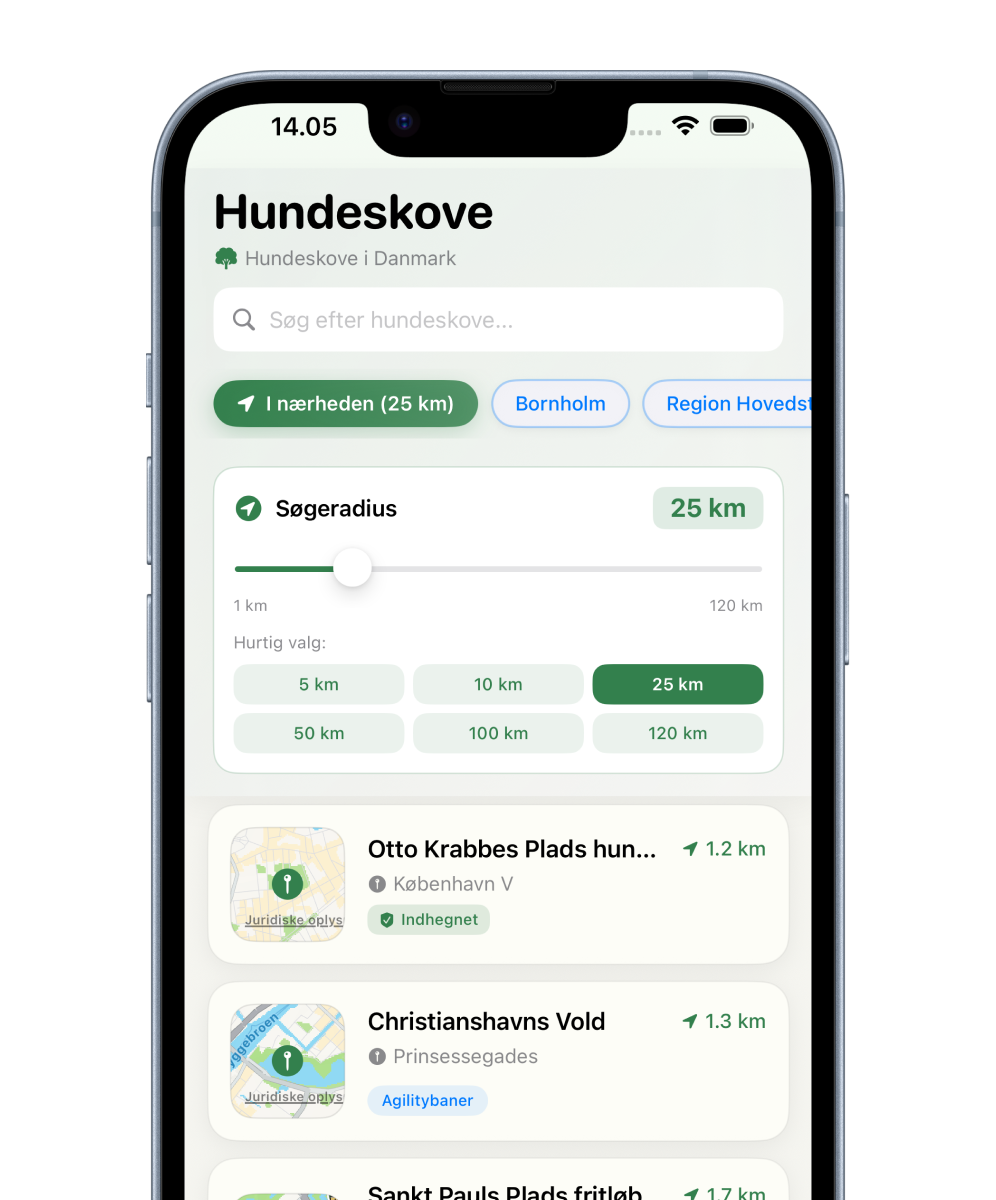
With the Hundeskoven app, you can quickly see which dog parks and off-leash areas are near your current location. Filter by facilities, and check if the area is fenced or open terrain — this is particularly relevant if your dog is not the most obedient near water and ducks.
The app covers all regions in Denmark, from dog parks in Central Jutland along the Limfjord to areas on Zealand’s east coast, and you can save your favourite spots for the next trip. Directions are integrated directly, so you don’t have to juggle between multiple apps to get there.
Our Best Tips for a Safe and Fun Water Dog Day
Whether you’re aiming for the shores of the Limfjord, a forest lake in Central Jutland, or a dog beach on East Zealand, there are a few things that make the day better for both of you.
Choose the time wisely. Early morning is golden in the summer months — fewer people, cooler water, and a happier dog. On popular bathing beaches, you should avoid the morning from June to August.
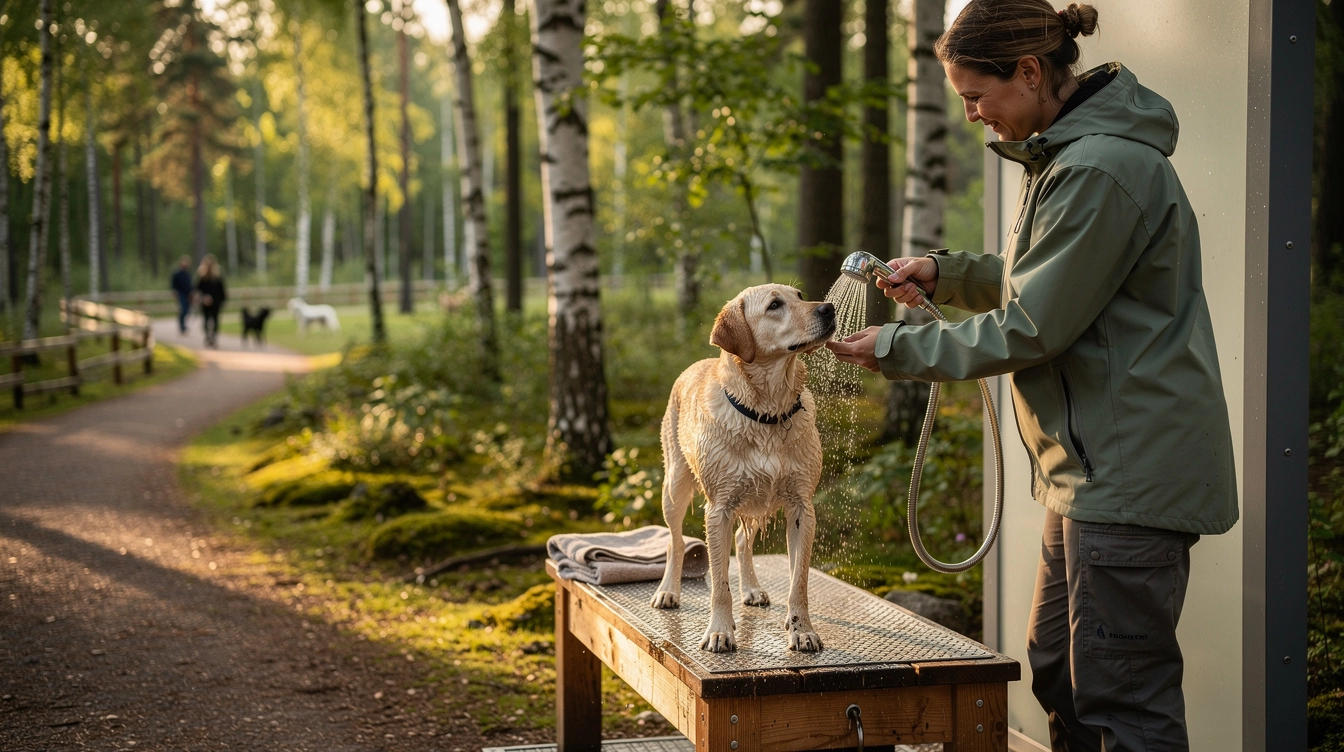
Bring a towel and extra water. A dog that has bathed in saltwater or algae-filled lake water benefits from a rinse afterwards. Bring fresh drinking water — many dogs drink seawater in excitement, and it causes stomach aches.
Be aware of blue-green algae. In warm summers, blue-green algae bloom in many Danish lakes and fjords. It is toxic to dogs that swallow the water. Check if there are warnings for the specific water area on the municipality’s website before you jump in.
Practice recall on land before letting your dog by the water. Water is for many dogs the most exciting element in the world. Nothing sounds more thrilling than a swimming duck. Make sure your dog can come back to you, even when the competition is tough.
Start with fenced areas if your dog is new to water. Some dogs dive in the first time, others are cautious. A fenced area gives you peace of mind to let the dog take it at its own pace without worrying about it running off.
Get Going — the Water Awaits
Off-leash areas for dogs by the water are some of the best that Danish nature has to offer, and there are opportunities in all regions, all summer. It’s about knowing the rules, choosing the right place, and giving the dog space to enjoy it fully.
If you haven’t yet tried using Hundeskoven to plan your water trips, it’s a great place to start — download the app here and find your next favourite spot by the water with a few taps.